

Imagine waking up to a device on your wrist that automatically tracks your sleep, adjusts your home lights, monitors your heart rate, and even alerts you if something seems off — all without any effort from you.
This is the real power of wearable technology today.
Wearable technology means smart electronic devices you wear on your body. These gadgets quietly collect data, give useful insights, and automate everyday tasks.
From smartwatches and fitness bands to smart rings and even smart socks — wearables have become part of daily life.
They are one of the most exciting examples of automation technology in action.
In the last few years the wearable market has grown massively. Devices now use advanced sensors, artificial intelligence, and constant connectivity to deliver instant, personalized results.
This complete guide explains wearable technology in simple terms.
You will learn:
- How it connects to automation technology
- Main types of wearable devices
- Integration with Internet of Things (IoT), smart home devices, edge computing, cloud computing, and cloud storage
- Practical benefits and easy tips to start using wearables
Whether you are a student, robotics learner, engineer, or just curious about modern tech — this article is for you.
The Rise of Wearable Technology in Automation

Wearable technology has grown very fast since smartphones became common.
Today it is one of the fastest-growing areas in consumer electronics.
These devices automate many personal tasks:
- Health and fitness tracking
- Sleep monitoring
- Stress detection
- Home environment control
Automation technology inside wearables means sensors notice changes (like higher heart rate or less movement) and automatically trigger helpful actions — such as sending an alert or reminding you to stand up.
This removes the need for constant manual checking.
Your wearable becomes a silent assistant that works 24/7.
When wearables connect to IoT, they become part of a bigger smart network.
Your smartwatch can talk to lights, thermostat, phone, and other devices — creating smooth, automatic experiences.
What Makes Wearables Truly “Smart”?
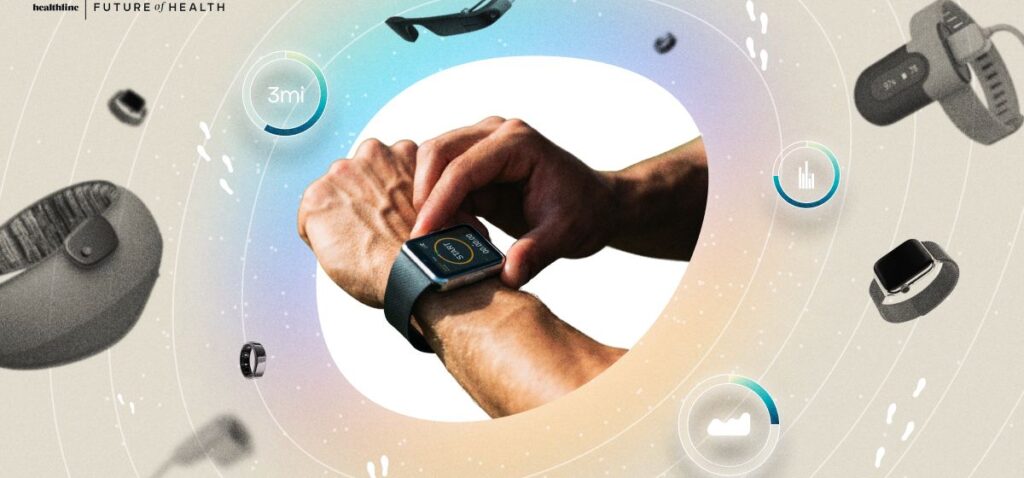
The magic happens because of a few key technologies working together.
Sensors
- Tiny built-in sensors measure:
- Heart rate
- Steps and motion
- Temperature
- Blood oxygen
- Sleep stages
- Even sweat levels (in advanced models)
Microprocessors
- Small powerful chips process data right on the device.
Connectivity
- Bluetooth, Wi-Fi, or cellular keeps the device linked to your phone or the internet.
Edge Computing
Many decisions happen locally on the wearable itself (or very close to it).
- This makes responses instant — no waiting for data to travel to a distant server.
Example: Your fitness tracker instantly shows your current pace during a run.
Cloud Computing & Cloud Storage
For long-term storage, pattern analysis, and heavy AI processing — data goes to the cloud.
- Example: Weekly or monthly health trend reports are created in the cloud and sent back to your app.
This smart combination gives fast local actions + deep long-term insights.
Main Types of Wearable Devices (Table)
Here is a clear overview of the most popular types of wearable devices in 2025:
| Type | Examples | Main Features | Best For | Automation Example |
| Smartwatches | Apple Watch, Galaxy Watch, Pixel Watch | Notifications, calls, fitness, ECG, payments | All-in-one daily use | Auto-adjusts brightness, detects falls |
| Fitness Trackers | Fitbit, Xiaomi Band, Garmin | Steps, heart rate, sleep, SpO2, guided workouts | Budget-friendly fitness tracking | Auto-reminds you to move after sitting too long |
| Smart Rings | Oura Ring, Ultrahuman Ring | Sleep tracking, readiness score, heart rate | Discreet, no-screen tracking | Auto-detects illness from temperature changes |
| Hearables | Nothing Ear, Bose, AirPods Pro | Voice assistant, noise cancellation, health | Audio + light tracking | Auto-pauses music when you start speaking |
| Smart Glasses | Ray-Ban Meta, Xreal | AR display, camera, navigation, music | Hands-free info & content creation | Auto-translates speech in real time |
| Smart Clothing | Hexoskin, Athos | Muscle monitoring, posture, breathing | Athletes & rehab | Auto-corrects posture with gentle vibration |
| Smart Socks | Sensoria, Tekscan, Siren | Gait analysis, pressure mapping, fall detection | Elderly care, sports, diabetes | Auto-alerts caregivers if fall or ulcer risk |
| Medical Patches | Biosensors, Abbott Libre | Continuous glucose, ECG monitoring | Chronic condition management | Auto-sends alerts for dangerous glucose levels |
Each type brings different levels of automation to specific needs.
How Wearables Connect with IoT and Smart Homes
Internet of Things (IoT) is the network that connects everyday objects.
Wearables are important IoT devices because they:
- Collect personal data continuously
- Share that data securely
- Trigger actions in other devices
Smart home examples:
- You walk into your house → wearable detects arrival → lights turn on, AC starts at your preferred temperature
- You finish exercise → wearable tells smart speaker to play relaxing music
- High stress detected → wearable dims lights and starts a calming playlist
Edge computing makes this fast:
Decisions happen locally so there is almost no delay.
Cloud computing adds intelligence:
It learns your habits over time (example: you always lower AC at 10 PM → it starts doing it automatically).
Cloud storage keeps your long-term health data safe and encrypted.
This full loop — wearable → IoT → edge → cloud — creates powerful automation.
Practical Benefits of Wearable Automation
- Better health awareness Early warnings for irregular heartbeats, low oxygen, or poor sleep.
- Motivation for fitness Daily goals, streaks, and friendly competitions with friends.
- Convenience in daily life Auto-reminders for water, medicine, posture, breathing exercises.
Easy Actionable Tips to Start with Wearables
- Choose based on your main goal Fitness → fitness tracker Health insights → smartwatch or ring Discreet → smart ring or socks
- Start small Use only 2-3 features at first (steps + sleep)
- Set privacy properly Turn off unnecessary data sharing Use app permissions carefully
- Charge every night Make it part of your bedtime routine
- Review data weekly Look at trends — not just daily numbers
- Connect to smart home slowly Begin with one automation (example: lights when you arrive home)
- Keep software updated New features and better accuracy come with updates
Follow these and you will get real value quickly.
Challenges You Should Know
- Not medical devices They give wellness info — always consult doctors for serious concerns
- Battery life Most last 1–7 days depending on features used
- Data privacy Choose brands with strong security and clear policies
- Accuracy Depends on fit, skin tone, movement — not 100% perfect
Despite these points, millions of people find wearables very helpful every day.
Conclusion
Wearable technology is one of the clearest examples of automation technology improving real life.
From smartwatches that watch your heart to smart socks that protect against falls — these devices quietly make life safer, healthier, and more convenient.
Powered by IoT, edge computing, cloud computing, and cloud storage, wearables deliver fast actions and smart long-term insights.
The best part? You can start today with something simple and affordable.
Pick one device that matches your needs.
Try it for 30 days.
See how it quietly automates parts of your routine.
The future of automation is not just in factories — it’s already on your wrist, finger, or even inside your socks.
1 thought on “Wearable Technology: The Future of Automation Technology”