

Robotics in healthcare is changing the way doctors treat patients. Hospitals now use smart machines to help in surgery, care, and recovery. These machines work with doctors and nurses. They do not replace them. Instead, they support them.
Robotics in healthcare helps doctors perform complex tasks with better control. It also reduces human error. Many hospitals now invest in this technology. Patients feel safer when doctors use advanced tools. Robotics in healthcare also speeds up recovery time. It lowers pain in many cases.
The use of Robotics in healthcare continues to grow every year. From small clinics to large hospitals, this technology plays an important role. It improves patient care and saves time. It also reduces stress for medical staff.
In this article, you will learn how Robotics in healthcare works, where hospitals use it, its benefits, challenges, and future growth. You will also see how this technology shapes modern medicine.
What Is Robotics in Healthcare?

Robotics in healthcare refers to the use of robotic systems in medical settings. These systems help doctors perform surgeries, assist patients, and manage hospital tasks. The robots use sensors, software, and smart controls to complete tasks with high accuracy.
Robotics in healthcare includes surgical robots, rehabilitation robots, and service robots. Surgical robots help doctors during operations. Rehabilitation robots support patients during physical therapy. Service robots carry medicine, clean rooms, and deliver supplies.
Doctors control many robotic systems. The robot follows precise movements. This control helps doctors work with greater accuracy. Robotics in healthcare reduces small hand movements that may cause mistakes. It also allows doctors to operate through small cuts. This leads to faster healing.
The goal of Robotics in healthcare is simple. It aims to improve care and reduce risk. It also helps hospitals manage work more smoothly. As technology improves, Robotics in healthcare becomes smarter and more useful.
How Robotics in Healthcare Works
Robotics in healthcare works through a mix of hardware and software. The hardware includes robotic arms, cameras, and tools. The software controls movement and collects data. Doctors use a console to guide the robot during procedures.
In surgical systems, the doctor sits at a control panel. The robot translates hand movements into smaller, precise actions. The system filters hand shakes. This helps in delicate procedures like heart or brain surgery.
Robotics in healthcare also uses artificial intelligence. AI helps robots learn from data. It supports better decision making. Some robots can analyze patient data in real time. This helps doctors respond quickly.
Sensors play a big role in Robotics in healthcare. They detect pressure, movement, and position. Cameras provide high-definition images. Doctors can see inside the body clearly.
The system works as a team effort. The doctor leads. The robot assists. Robotics in healthcare improves results because it combines human skill with machine precision.
Role of Robotics in Healthcare in Surgery

Robotics in healthcare plays a major role in surgery. Many hospitals use robotic systems for complex operations. These include heart surgery, kidney surgery, and joint replacement.
Robotic surgery allows doctors to make smaller cuts. Smaller cuts mean less pain. Patients recover faster. They also spend less time in the hospital. Robotics in healthcare reduces blood loss during surgery. It also lowers the risk of infection.
Doctors gain better control with robotic tools. The robot can rotate and bend in ways a human hand cannot. This helps doctors reach tight spaces inside the body. The system also gives a clear 3D view.
The table below shows how Robotics in healthcare improves surgery compared to traditional methods.
| Feature | Traditional Surgery | Robotics in Healthcare Surgery |
| Incision Size | Large | Small |
| Recovery Time | Longer | Shorter |
| Blood Loss | Higher | Lower |
| Precision | Limited | High |
| Hospital Stay | Longer | Shorter |
Robotics in healthcare continues to expand in surgical fields. More doctors now train in robotic systems.
Robotics in Healthcare for Patient Care
Robotics in healthcare also improves daily patient care. Hospitals use robots to monitor patients. Some robots check temperature, blood pressure, and oxygen levels. They send reports to doctors quickly.
Robots also assist elderly patients. They remind patients to take medicine. They help them move safely. Robotics in healthcare supports people who live alone. It gives them confidence and safety.
Some hospitals use robots for remote care. Doctors can speak to patients through robotic screens. This saves travel time. It also helps in rural areas where doctors are few.
Robotics in healthcare reduces workload for nurses. Robots deliver food and medicine. They carry heavy items. This allows nurses to focus on patient comfort.
It supports both medical staff and patients every day.
Robotics in Healthcare in Rehabilitation

Rehabilitation is another important area for Robotics in healthcare. After surgery or injury, patients need therapy. Robotic devices help patients move their arms or legs correctly.
These robots guide movement in a safe way. They repeat exercises many times. This improves muscle strength. Robotics in healthcare makes therapy more effective. It also tracks patient progress.
Patients feel motivated when they see progress on a screen. The system shows small improvements. This builds confidence. Robotics in healthcare provides steady support during recovery.
Therapists work with robotic systems. They adjust settings based on patient needs. The robot does not replace the therapist. It works as a strong support tool.
Rehabilitation robots also reduce strain on therapists. Lifting and guiding patients can cause injury. Robotics in healthcare reduces this physical burden.
This technology helps patients recover faster and regain independence.
Benefits of Robotics in Healthcare
Robotics in healthcare offers many benefits. It improves accuracy in medical tasks. It reduces human error. Doctors can perform delicate work with better control.
Patients experience less pain after robotic surgery. They heal faster. They return home sooner. Robotics in healthcare lowers hospital costs over time. Shorter hospital stays reduce expenses.
Medical staff also benefit. Robots handle repetitive tasks. They reduce physical stress. Nurses and doctors can focus more on patient care.
Robotics in healthcare also improves safety. It reduces infection risk. It supports remote care in emergency situations. During health crises, robots can deliver medicine without direct contact.
Hospitals that use Robotics in healthcare often see better patient satisfaction. Patients trust modern tools. They feel confident in advanced treatment.
The benefits continue to grow as technology improves. Robotics in healthcare plays a strong role in modern medicine.
Challenges of Robotics in Healthcare
Robotics in healthcare also faces challenges. The main issue is high cost. Small hospitals may struggle to afford them.
Training is another challenge. Doctors and nurses must learn how to use robotic systems. This takes time and effort. Robotics in healthcare requires skilled operators.
Technical problems can also occur. Machines may need repair. Software may need updates. Hospitals must ensure proper support.
Some people worry about safety. They fear machine errors. However, doctors control most systems. Robotics in healthcare still depends on human decision making.
There are also ethical questions. People ask if robots will replace medical jobs. In reality, Robotics in healthcare supports staff rather than replacing them.
Despite these challenges, many hospitals continue to invest in Robotics in healthcare. They see long-term benefits.
Future of Robotics in Healthcare
The future of Robotics in healthcare looks bright. Experts expect strong growth in the coming years. More hospitals will adopt robotic systems.
Artificial intelligence will improve Robotics in healthcare. Robots will analyze patient data faster. They will support early disease detection. They may assist in personalized treatment plans.
Mini robots may enter the human body to deliver medicine. This will change treatment methods. Robotics in healthcare may also expand in home care.
Remote robotic surgery may become common. Doctors may operate from another city or country. This will improve access to expert care.
The table below shows expected future trends in Robotics in healthcare.
| Area | Future Growth |
| AI Integration | High |
| Remote Surgery | Expanding |
| Home Care Robots | Increasing |
| Rehabilitation Tech | Advanced |
| Data Analysis | Improved |
Robotics in healthcare will continue to reshape medicine in powerful ways.
Impact of Robotics in Healthcare on Doctors and Nurses
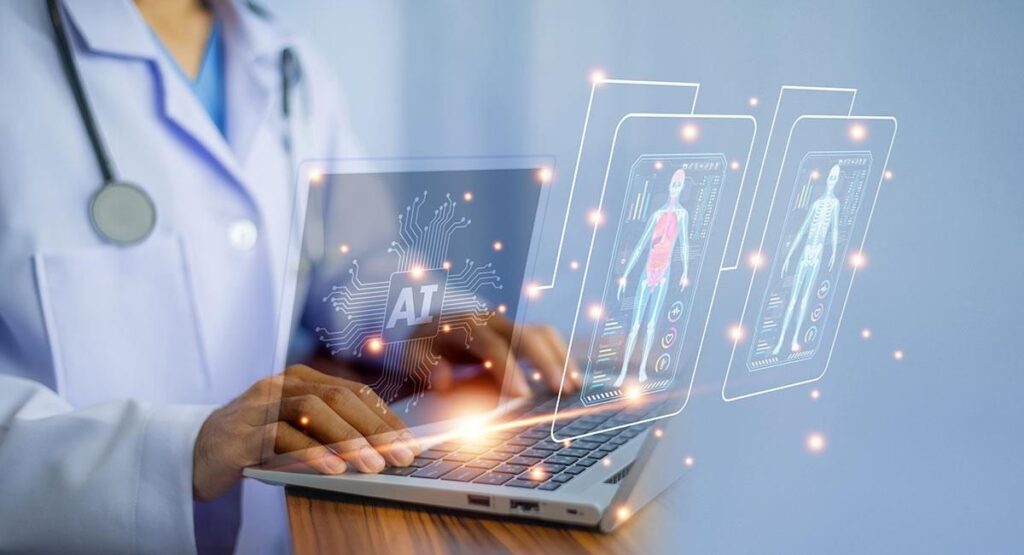
Robotics in healthcare changes the daily work of doctors and nurses. It does not remove their role. It makes their work smoother and safer.
Doctors gain better control during surgery. They see clear images. They make precise movements. Robotics in healthcare reduces stress during complex procedures.
Nurses benefit from service robots. Robots carry supplies and clean rooms. This reduces heavy lifting. Nurses can focus more on patient care.
Robotics in healthcare also improves teamwork. Medical staff work together with technology. They share data quickly. They make fast decisions.
Training programs now include robotic systems. Young doctors learn these skills early. Robotics in healthcare becomes part of modern medical education.
The impact is positive when hospitals use technology wisely. Human care remains the center of treatment. Robotics in healthcare supports that care.
Economic Value of Robotics in Healthcare
Robotics in healthcare requires strong investment. The machines cost a lot. Training also costs money. However, hospitals often see long-term savings.
Shorter hospital stays reduce overall costs. Fewer complications lower treatment expenses. Robotics in healthcare can increase hospital efficiency.
Patients recover faster. They return to work sooner. This benefits society as well. Robotics in healthcare supports economic growth in the medical sector.
Medical device companies invest heavily in this field. They develop better robotic tools each year. This creates jobs in engineering and healthcare.
Insurance companies also study the impact of Robotics in healthcare. They look at cost savings from reduced complications.
Although the starting cost is high, many experts believe Robotics in healthcare brings strong financial value over time.
Why Robotics in Healthcare Matters Today
Robotics in healthcare matters because healthcare needs are growing. The world population is aging. More people need medical care.
Hospitals face staff shortages. Robotics in healthcare helps fill gaps. It supports medical workers during busy times.
Technology also improves patient expectations. Patients want safer and faster treatment. Robotics in healthcare meets these expectations.
Health crises show the importance of automation. Robots reduce direct contact during infections. Robotics in healthcare supports safety during emergencies.
Modern medicine depends on innovation. Robotics in healthcare stands as a key innovation. It combines technology with human skill.
As hospitals continue to grow, Robotics in healthcare will remain a central part of medical progress.
FAQs About Robotics in Healthcare
What is Robotics in healthcare used for?
Robotics in healthcare is used for surgery, patient monitoring, rehabilitation, and hospital tasks. It helps doctors perform precise procedures. It also supports patient care and recovery.
Is Robotics in healthcare safe?
Yes, Robotics in healthcare is safe when trained professionals operate the systems. Doctors control most robotic devices. Hospitals follow strict safety rules.
Does Robotics in healthcare replace doctors?
Robotics in healthcare does not replace doctors. It supports them. Doctors make decisions and guide robotic systems during treatment.
How does Robotics in healthcare help patients recover faster?
Robotics in healthcare allows smaller cuts during surgery. This reduces pain and speeds up healing. It also provides guided therapy during recovery.
What is the future of Robotics in healthcare?
The future of Robotics in healthcare includes smarter AI systems, remote surgery, and home care robots. This technology will continue to grow worldwide.