

Table of Contents
ToggleRobot: A Complete and Detailed Guide to All Types of Robots
Robots represent one of the greatest technological achievements which modern society has developed. A robot operates as a machine which performs tasks through automated systems that need human monitoring or existing software instructions. Robots operate in multiple sectors which include industrial environments medical centers residential areas educational institutions commercial spaces outer space missions and amusement centers. The field which involves creating and operating robots is known as robotics.

The article provides an extensive guide to all robot functions by explaining the basic principles of robotics and their operational methods.
What Is a Robot?
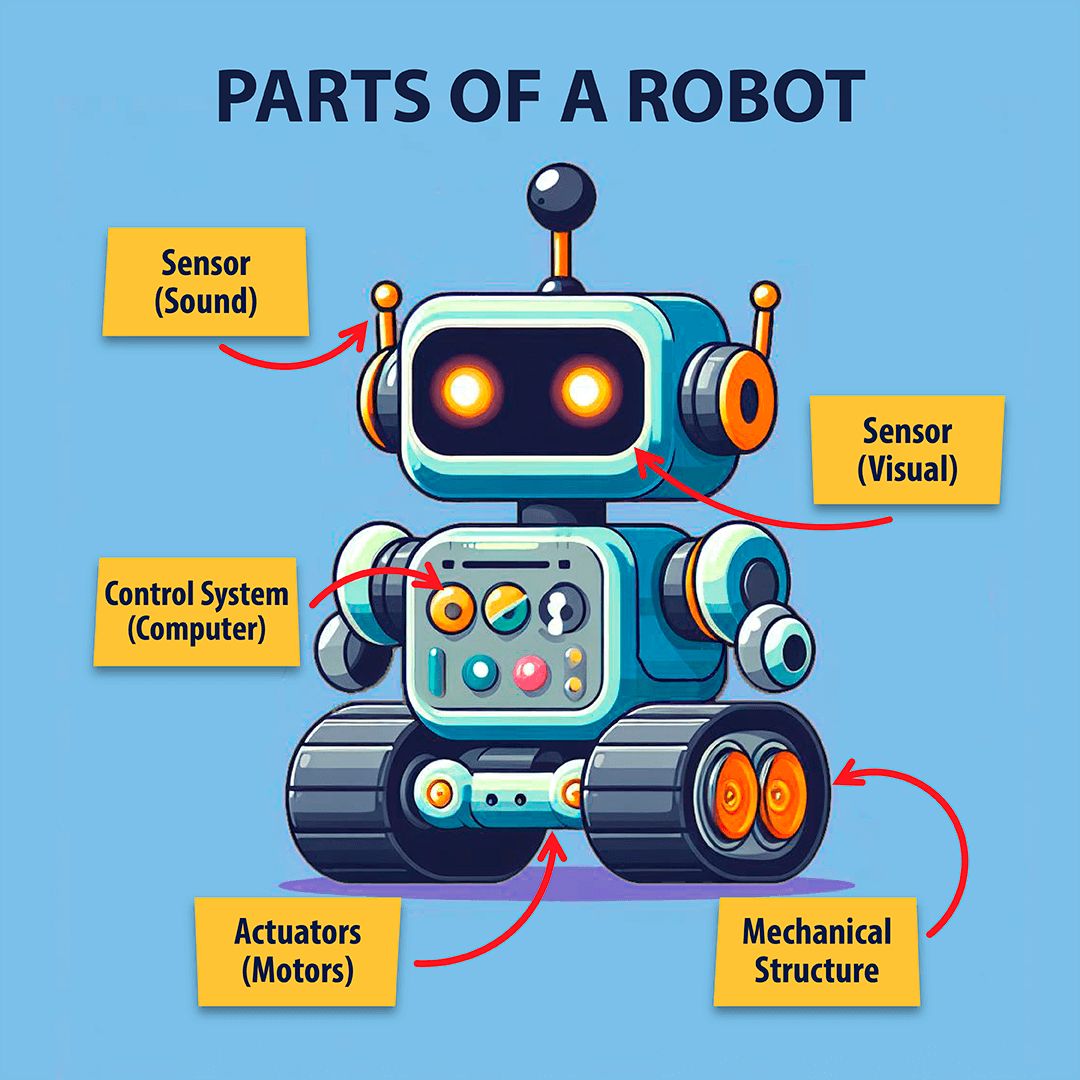
A robot functions as a machine that executes pre-programmed tasks through its automated processes. Robots consist of three main building elements which include:
- Sensors – These devices enable robots to perceive their surroundings through various sensors including cameras and temperature and motion detection systems.
- Controller (Brain) – The device serves as the processing unit which receives and analyzes data.
- Actuators (Motors) – These components enable the robot to execute movements and physical operations.
Some robots require human operators for their control whereas other robots operate independently through their capability to utilize Artificial Intelligence (AI) for decision-making.
The Different Robot Categories
Robots exist in multiple categories which have been created to perform distinct functions. Let us examine the various types of robots through detailed descriptions of their functionalities.
1. Industrial Robots
Industrial robots operate in factories together with manufacturing facilities. The robots execute repetitive activities with their ability to perform tasks at high velocity and accurate results.
Common Types of Industrial Robots:
• Robotic Arms
Robotic arms function like human arms because they handle welding, painting, assembling, and packaging tasks. The systems maintain their operational performance by working nonstop with exceptional accuracy.
• Assembly Line Robots
Production lines operate with these robots who carry out their tasks in assembly operations. These robots work on the assembly lines to build products which include cars and electronic devices and home appliances.
• Warehouse Robots
Warehouse robots assist in conducting all activities which include moving items and package sorting and inventory control.
• Manufacturing Robots
The robots execute heavy operational duties which involve cutting and drilling and moving materials.
2. Medical Robots
Industrial robots enhance operational efficiency while simultaneously decreasing mistakes and reducing work expenses.

Medical robots are changing the healthcare industry because they support doctors and nurses and surgical teams. Medical robots
Surgical robots
Surgical robots enable doctors to execute advanced surgical procedures with exceptional accuracy. The system enables surgeons to conduct operations through smaller incisions which result in speedier patient healing.
• Hospital Service Robots
The robots deliver medications while transporting medical equipment and providing assistance to patients.
• Rehabilitation Robots
The robots function to support patients in their recovery process through assistance with their physical therapy sessions.
• AI Medical Robots
Robots leverage artificial intelligence and medical data analysis to support disease diagnosis.
Medical robots provide hospitals with improved security measures that decrease hazards while they boost operational productivity.
3. Service Robots
Service robots exist to assist people who work in home and office settings.
• Customer Service Robots
These robots operate in hotels and airports and shopping malls to help customers navigate through the locations.
• Delivery Robots
The robots deliver food and groceries and packages to customers.
• Cleaning Robots
These robots operate to clean residential spaces and commercial spaces and public areas.
Service robots provide people with enhanced convenience through their daily activities.
4. Domestic (Home) Robots
Domestic robots function in residential settings to complete various domestic duties.
• Robot Vacuum
The robot vacuum cleaner system functions to autonomously clean floor surfaces.
• Lawn Mowing Robots
The robots automatically trim grass without needing human intervention.
• Home Assistant Robots
Some robots enable family members to communicate with them while servicing smart home systems and delivering time management alerts.
Home robots assist people by minimizing time requirements and physical work demands.
5. Humanoid Robots
Humanoid robots have been created to move and behave like actual human beings. The robots possess human-like attributes which include arms and legs and occasionally facial features.
The robots have the ability to:
- The robots are capable of walking and talking.
- The system can identify individual faces.
- The system enables users to communicate with others.
- The system enables users to perform human-like movements.
Humanoid robots find applications in research settings and customer support and educational environments. The robots will help people complete tasks at their homes and workspaces.
6. AI Robots (Artificial Intelligence Robots)
AI robots use artificial intelligence to think, learn, and make decisions.
Features of AI Robots:
- The system includes machine learning features.
- The system can recognize spoken language.
- The system can identify human faces.
- The system has the ability to solve problems.
AI robots use their previous experiences and gathered data to enhance their performance capabilities. AI robots function as smart assistants and autonomous systems which operate without human input and advanced research.
7. Autonomous Robots
Autonomous robots operate without human control. Robots use their sensors and cameras to create environmental maps through AI technology which they use for decision-making purposes.
Examples:
- Self-driving vehicles
- Drones
- Autonomous warehouse robots
The robots have been programmed to detect obstacles while they use their sensors to explore their surroundings and complete their designated tasks.
8. Military and Defense Robots
Military robots support defense operations and security tasks.
• Bomb Disposal Robots
These robots handle explosives in a secure manner.
• Surveillance Drones
These drones monitor areas while they collect intelligence data.
• Combat Robots
These robots help soldiers operate in combat zones which present high danger.
Defense robots provide protection to soldiers by decreasing the hazards which soldiers face in combat situations.
9. Space Robots
Space robots are used in space exploration missions.
Examples:
-
Mars rovers
-
Robotic spacecraft arms
-
Satellite repair robots
These robots explore planets, collect data, and perform repairs in space where humans cannot easily go.
10. Educational Robots
Educational robots operate in schools and colleges to deliver training about programming and robotics principles.
Benefits:
- The program assists students in developing their coding abilities.
- The program helps students develop their ability to solve problems.
- The program helps students develop their creative skills.
The robots create a learning experience which students find both interactive and enjoyable.
11. Social and Companion Robots
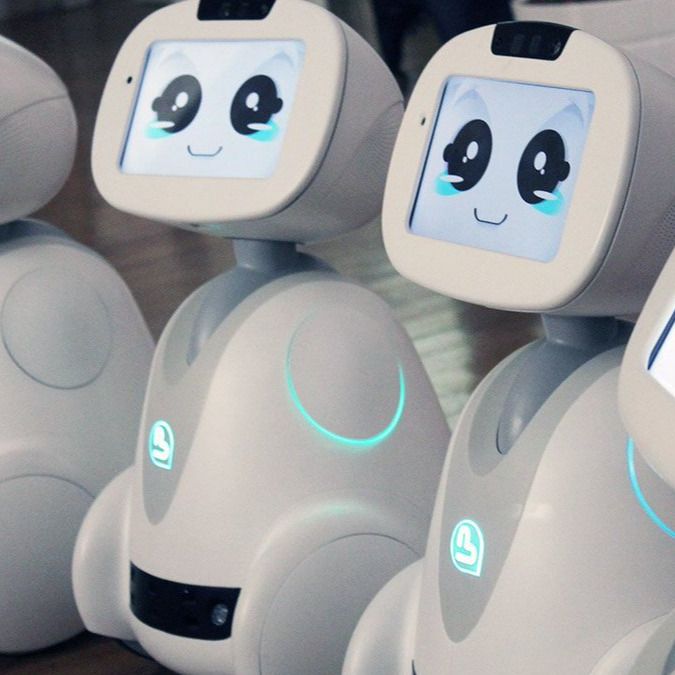
Social robots build connections with humans through emotional and social interactions.
• Companion Robots
These robots provide companionship to elderly people and children.
• Elder Care Robots
Elderly people use these robots to perform their daily tasks and monitor their medical condition.
• Interactive Robots
The robots follow spoken commands which users provide through voice recognition.
The robots provide companionship to users while they help people who experience loneliness.
12. Exploration Robots
Exploration robots function in dangerous areas which scientists have not yet investigated.
Examples:
- Underwater robots
- Volcano exploration robots
- Deep-sea research robots
The equipment enables scientists to study regions which pose extreme dangers to human safety.
How Robots Work
Robots work through a three-step procedure which they execute as follows
- The robots first-establish their environment through sensor data collection
- The robots use –a controller or AI system to examine the gathered data
- The robots execute- their movements through motor systems
Advanced robots utilize machine learning technology to enhance their capabilities through incremental improvements
Advantages of Robots
- Robots operate continuously throughout the day without needing breaks
- Robots deliver exceptional precision and accuracy in their work
- The system decreases human mistakes
- Robots handle hazardous work operations to protect worker safety
- The system boost work output
Disadvantages
- The process requires significant financial investment to develop robots
- The technology has the potential to replace human employees
- The equipment needs ongoing upkeep to function properly
- The system needs both software instructions and electrical power to operate
The Future of Robots
Research development activities which scientists conduct throughout robotics fields will produce fresh technological discoveries which will improve current robotic technologies. Scientists work on these projects:
- More intelligent AI robots
- Fully autonomous systems
- Advanced humanoid robots
- Smart healthcare robots
- Space exploration robots
Robots will develop into necessary tools which people will use throughout their residential areas and business spaces and manufacturing facilities in the upcoming years.
Conclusion
Robots operate as strong machines which produce fundamental changes that impact worldwide operations. Robots serve essential functions in contemporary society through their use in industrial factories and medical hospitals and home environments and space exploration missions to other planets.
Artificial Intelligence advancements produce higher intelligence levels which lead to new technological improvements for robotics systems. In the next ten years robots will assist human workers who need to solve difficult problems while they boost their work output.
Machines which operate as robots will develop all upcoming technological advancements which will emerge in the future.