

In the world of quantum physics, Erwin Schrödinger famously described a cat that was both alive and dead at the same time until someone opened the box. While this sounds like a headache for a veterinarian, it is a perfect metaphor for the modern world of robotics and technical hiring.
In 2026, robotics systems and recruitment strategies exist in a similar state of “superposition.” Until a robot makes a decision or a recruiter makes a hire, every possibility is on the table. For college students looking for the best remote jobs for college students, understanding these complex systems can be the key to unlocking a high-paying career in tech.
The bridge between quantum theory and practical robotics lies in how we handle uncertainty. Whether it is a robot navigating a warehouse or a company navigating a sudden AWS outage, the ability to process multiple outcomes simultaneously is what defines success. This guide explores the intersection of Schrödinger’s logic, robotics engineering, and the evolving landscape of recruitment.
STREAMLINE YOUR HIRING

To understand how to streamline your hiring, we must first look at how robotics engineers use Schrödinger’s wave equations. These equations describe the probability of where a particle might be at any given time. In robotics, we use similar probabilistic models to help machines understand their environment.
When a robot is in a sim (simulation), it isn’t just practicing one move. It is exploring thousands of variations of that move to find the one with the highest success rate. Recruiting today works the same way. Companies are no longer looking at just one resume; they are using recruitment marketing agencies to analyze thousands of data points to find the “perfect” candidate.
Streamlining this process means moving away from traditional, slow-moving interviews and toward data-driven assessments. By using simulations of real-world tasks, companies can see how a student handles a crisis, such as a localized AWS outage, before they are even hired. This reduces the “uncertainty” of the hire, effectively opening the Schrödinger’s box of the recruitment process.
For students, this means the best remote jobs for college students are often found in companies that value these technical skills. If you can show a recruiter that you understand how to maintain system uptime or manage a simulation, you become an invaluable asset in a world that is increasingly automated.
Find Talent Where They Are
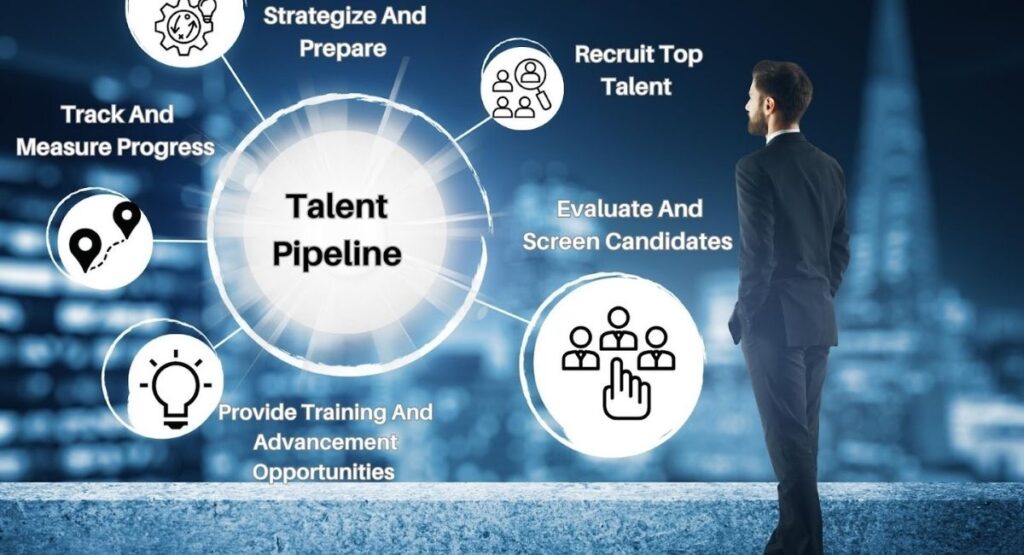
The traditional way of recruiting talent has collapsed. In a world where remote work is the standard, finding the best talent means looking beyond geographic borders. This is particularly true for college students who have the technical skills but need the flexibility of a remote role.
Recruiting marketing is now about meeting students where they spend their time. Whether it is on niche coding forums or through targeted social media campaigns, companies are finding that the “hidden workforce” of college students is their greatest resource. These students are often more tech-savvy and adaptable than seasoned professionals who are set in their ways.
To find talent where they are, agencies are now using “geofencing” and advanced SEO to target specific university programs. They aren’t just posting on job boards; they are creating content that explains the future of robotics and quantum computing. This educational approach builds trust and attracts high-quality candidates who are truly interested in the field.
If you are a student, the best remote jobs for college students are often hidden in these niche communities. Companies looking for interns or junior developers for robotics testing or AI data labeling often bypass the major job boards in favor of direct outreach to students who are already engaged with their brand.
Transform Your Hiring Process Today
Transforming your hiring process today requires a shift in mindset. You have to move from a “reactive” state to a “proactive” one. In robotics, this is known as predictive modeling. Instead of waiting for a robot to hit a wall, you program it to sense the wall before it even gets close.
The same logic applies to recruiting. If you wait until you have a vacancy to start looking for talent, you have already lost. The most successful tech firms in 2026 are building “talent pipelines” by hiring students for remote roles while they are still in school. This allows the company to train the talent in their specific systems long before they graduate.
A major part of this transformation involves preparing for the “worst-case scenario.” For example, when an AWS outage occurs, does your remote team know how to switch to local servers or backup cloud providers? Hiring students who have been trained in disaster recovery and system resilience is the best way to ensure your company stays online when the cloud fails.
For the student, these roles are the best remote jobs for college students because they provide real-world experience in high-stakes environments. You aren’t just fetching coffee; you are helping to keep global automation systems running. This level of responsibility is what makes a resume stand out in a crowded market.
The Hiring Dilemma
The hiring dilemma of the modern age is the balance between automation and human intuition. We can use AI to scan resumes and simulators to test skills, but we still need a human to decide if a candidate is a good “culture fit.” This is the point where the Schrödinger’s box finally opens.
Many companies struggle with this because they rely too heavily on one or the other. An over-reliance on AI can lead to “ghosting” high-quality candidates who don’t fit a specific keyword profile. Conversely, relying only on human intuition can lead to bias and slow hiring cycles that cause the best talent to accept offers elsewhere.
The solution is a hybrid approach. Use technology to handle the bulk of the screening and simulation work, but keep human recruiters involved in the final decision-making stages. This “human-in-the-loop” model is exactly how we manage advanced robotics. The machine handles the heavy lifting, but the human provides the strategic oversight.
As a college student, navigating this dilemma means being both technically proficient and “humanly” engaging. You need to be able to pass the automated technical screens, but you also need to be able to speak passionately about how Schrödinger’s theories or robotics automation can change the world during your final interview.
The complete hiring solution
The complete hiring solution in 2026 is an ecosystem that combines recruitment marketing, remote-first infrastructure, and a deep understanding of modern physics and robotics. Companies that succeed are those that treat their hiring process like a high-performance machine: constantly tested, simulated, and optimized for speed and accuracy.
Robotics and Recruitment: A Technical Comparison
| Feature | Robotics Path Planning | Modern Recruiting Strategy |
| Logic Basis | Schrödinger’s Probabilities | Data-Driven Candidate Personas |
| Environment | Simulation (Sim) | Recruitment Marketing Funnel |
| Risk Management | Collision Avoidance | AWS Outage Resilience Planning |
| Talent Source | Sensor Data Input | Remote Student Pipelines |
| Outcome | Optimized Motion | High-Performance Hires |
Frequently Asked Questions (FAQs)
How does Schrödinger’s Cat relate to robotics?
Schrödinger’s Cat is a way to describe “quantum superposition,” where a system exists in multiple states at once. In robotics, we use this logic to handle uncertainty. A robot “thinks” about all possible paths at once until its sensors confirm which one is clear.
What are the best remote jobs for college students in 2026?
The most in-demand roles are in AI data labeling, remote robotics testing, virtual simulation management, and junior cloud DevOps roles. These jobs allow students to work from their dorms while gaining experience in cutting-edge industries.
How do AWS outages affect remote tech jobs?
Since most remote work and robotics simulations rely on the cloud, a major AWS outage can stop all production. Companies now look for employees who understand “disaster recovery” and can keep systems running using local backups or multi-cloud strategies.
What is recruiting marketing?
Recruiting marketing is the use of marketing tactics (like SEO, social media, and content) to attract job seekers. Instead of just posting a job, companies create a “brand” that makes students and engineers want to work for them.
Why is simulation (sim) important in hiring?
Simulations allow companies to test a candidate’s actual skills in a safe, virtual environment. For robotics roles, this might mean asking a student to program a virtual arm to pick up an object, proving they can do the work before they are hired.
Conclusion
Whether we are talking about the paradox of a cat in a box or the complexities of a global robot fleet, the theme is the same: managing the unknown. By embracing the principles of quantum logic and the efficiency of modern recruiting, companies can build teams that are ready for any challenge 2026 throws at them.
For the students entering this field, remember that the best remote jobs for college students are those that challenge you to think like an engineer and act like a strategist. The future is uncertain, but in that uncertainty lies the opportunity to build something truly revolutionary.

2 thoughts on “ Strategic Recruiting: (Hiring the Best Student Talent)”