

The landscape of modern farming is shifting beneath our feet. For decades, agriculture relied on manual labor and massive, operator-led machinery. Today, we are entering an era where agricultural robots are the primary drivers of efficiency.
These machines are no longer just concepts in a research lab. They are actively planting seeds, monitoring soil health, and harvesting crops with surgical precision. The integration of robotics into farming addresses some of the biggest challenges in the industry.
From labor shortages to the need for sustainable resource management, automation provides a scalable solution. By using sensors, artificial intelligence, and autonomous navigation, these robots allow farmers to do more with less.
Whether you are a student of robotics, a tech-forward engineer, or a farm owner looking to modernize, understanding this technology is essential. This guide explores the different facets of robotics in agriculture and how they bridge the gap between traditional methods and a data-driven future.
Ready to get started?
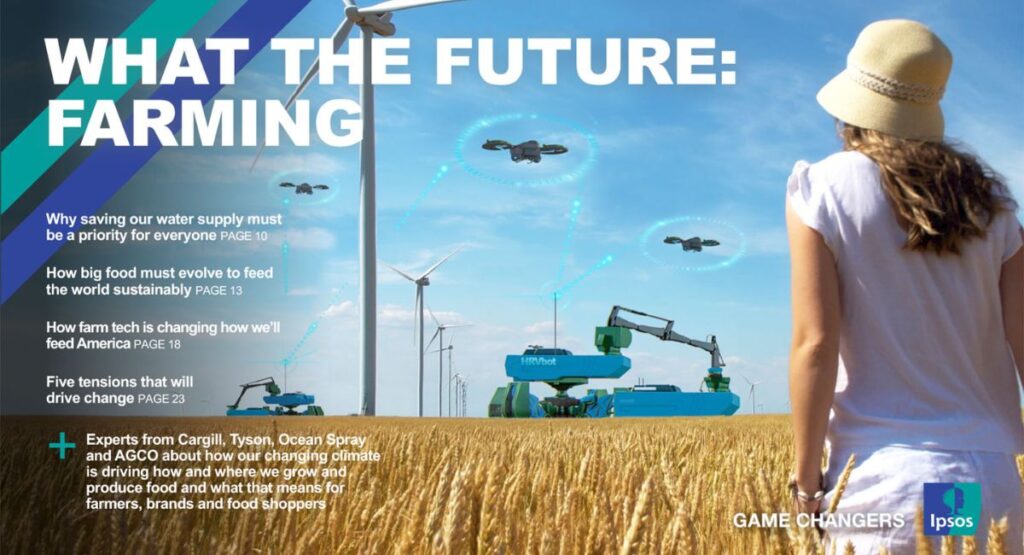
Transitioning to automated systems might seem like a daunting leap, but it begins with understanding the core components of the technology. Agricultural robots typically consist of three main systems: the perception system, the decision-making unit, and the actuators.
The perception system uses sensors like LiDAR, cameras, and GPS to understand the environment. The decision-making unit processes this data using complex algorithms. Finally, the actuators are the mechanical parts, such as robotic arms or wheels, that perform the physical work.
Starting small is often the best strategy. Many farms begin by implementing semi-autonomous systems, such as GPS-guided steering for tractors. This technology allows for precise application control. It ensures that every drop of fertilizer or seed is placed exactly where it needs to be, reducing waste and overlap.
As you get comfortable with basic automation, you can move toward fully autonomous platforms. These robots can operate in the field without a human driver, often working through the night to maximize productivity. The key is to view these robots as collaborators that enhance your existing expertise.
Education is also a vital part of getting started. Understanding the basic physics and math behind these machines helps in troubleshooting. For example, calculating the speed and torque required for a robot to navigate uneven terrain is a fundamental skill for any robotics enthusiast.
Know what’s coming before the season starts.
One of the most powerful features of agricultural robots is their ability to provide predictive insights. In traditional farming, many decisions are reactive. You notice a pest infestation or a nutrient deficiency after it has already begun to impact the crop.
Robotics changes this dynamic through constant monitoring. Autonomous drones and ground-based rovers can scout fields daily. They use multispectral imaging to see things the human eye cannot, such as early signs of heat stress or fungal growth. This allows for a pre-emptive strike against potential issues.
By analyzing historical data alongside real-time inputs, these systems can forecast yield outcomes with high accuracy. This foresight is powered by machine learning models that compare current field conditions against years of climatic and biological data.
For a robotics developer, this involves creating robust computer vision systems. These systems must be trained to identify specific leaf patterns or soil color changes. The goal is to turn raw visual data into actionable intelligence that a farmer can use to adjust their seasonal strategy before any damage is done.
This level of preparation reduces the stress of the growing season. Instead of wondering if a specific field will perform well, you have a data-backed projection. This enables better financial planning and more efficient allocation of labor and equipment.
Integrate your soil data to bushel performance.
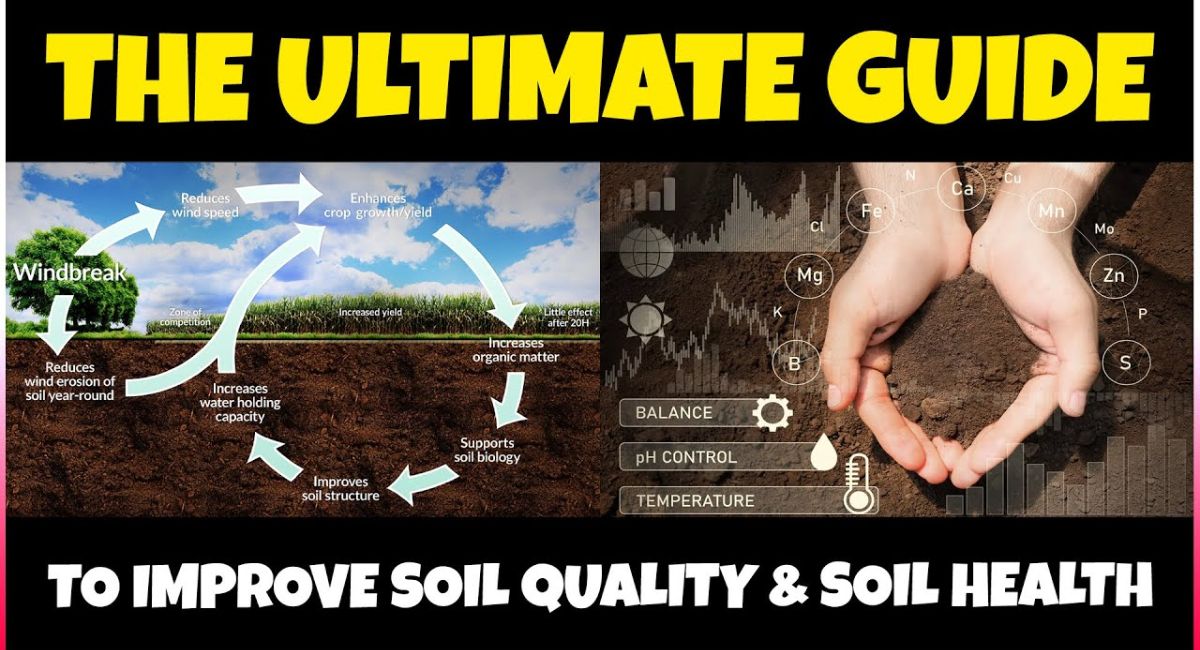
The secret to a high-yielding harvest is hidden beneath the surface. Soil health is the foundation of agriculture, yet it is often the most difficult variable to measure consistently across large areas. Agricultural robots are now bridging the gap between soil science and mechanical performance.
Modern robotic platforms can perform automated soil sampling. Instead of taking a few random samples and guessing the average, these robots can map an entire field’s nutrient profile. They measure moisture levels, pH, and nitrogen content at precise intervals.
Once this soil data is collected, it is integrated into the robot’s operating system. This allows for Variable Rate Application. When the robot moves across the field to plant or fertilize, it adjusts its output based on the specific needs of the soil at that exact coordinate.
This direct link between soil data and bushel performance is a game-changer. Areas with high nutrient density receive fewer inputs, while struggling zones get the boost they need. This ensures that every inch of the field is performing at its maximum potential.
From a technical perspective, this requires seamless data communication between different hardware components. The soil sensor must talk to the GPS, which then sends a command to the fluid control valve on the sprayer. It is a perfect example of a closed-loop control system in a real-world environment.
Get data that bridges the gap between measurement and meaning.

Data is everywhere in modern farming, but data without context is just noise. The true value of agricultural robots lies in their ability to provide meaningful data. It is not enough to know that a field has 15% moisture; you need to know what that means for your specific crop.
Robotic platforms use edge computing to process data locally. This means the robot does not just record numbers; it interprets them. For example, if a robot detects a certain weed species, it can calculate the density of the infestation and suggest whether a targeted spray or a mechanical removal is more cost-effective.
This bridging of the gap is where robotics meets agronomy. By turning raw measurements into prescriptive actions, robots remove the guesswork. They provide a clear path forward, telling the user exactly which actions will result in the best return on investment.
Comparison of Key Agricultural Robots
| Robot Type | Primary Function | Key Technology Used | Main Benefit |
| Autonomous Tractors | Seeding, Tilling, & Hauling | GPS (RTK-GNSS), LiDAR | 24/7 operation without a human driver. |
| Weeding Robots | Mechanical or Laser Weeding | AI Computer Vision | Reduces herbicide use by up to 90%. |
| Harvesting Robots | Picking Fruits & Vegetables | Soft-touch Grippers | Gentle handling; reduces post-harvest waste. |
| Drones (UAVs) | Field Mapping & Spraying | Multispectral Sensors | Fast aerial scouting for pest & heat stress. |
| Soil Monitoring Bots | Soil Sampling & Analysis | Sensor Fusion | Precision fertilization based on data. |
Practical Takeaways for Robotics Enthusiasts
If you are looking to dive deeper into the world of agricultural robots, here are a few actionable steps:
- Learn the Basics of GNSS: Global Navigation Satellite Systems are the backbone of field robotics.
- Study Computer Vision: Python and libraries like OpenCV are essential tools for plant identification.
- Understand Control Systems: Look into PID (Proportional-Integral-Derivative) controllers for movement.
- Explore Environmental Impact: Consider how robotic designs can reduce chemical use.
Frequently Asked Questions (FAQs)
x1. What is the difference between agricultural robots and traditional machinery? Traditional machinery requires a human operator and follows set manual inputs. Agricultural robots are autonomous and use AI to make real-time decisions, such as applying fertilizer only where needed.
2. Can small-scale farmers afford these robots? Yes. While large autonomous tractors are expensive, the industry is moving toward “Swarm Robotics.” This uses multiple small, affordable robots that work together, making the tech accessible for smaller farms.
3. Will robots replace human farm jobs? Robots primarily take over repetitive and physically demanding tasks. This allows farmers to shift their focus toward high-level management and data analysis, creating new roles in agri-tech.
4. How are agricultural robots powered? Most modern models are electric and use rechargeable batteries. Some are even equipped with solar panels to extend their operation time in the field sustainably.
Conclusion
Agricultural robots are transforming the farm from a place of manual toil into a high-tech center of efficiency. By integrating soil data, utilizing predictive monitoring, and automating the most difficult tasks, these machines are ensuring a more stable and sustainable food supply.
The journey toward full automation is a marathon, not a sprint. It requires a blend of traditional farming wisdom and cutting-edge technical skill. Whether you are building the next generation of weeding robots or managing a fleet of autonomous tractors, the goal remains the same: to create a smarter, more productive world.
Embracing these tools today is the best way to ensure success in the agricultural landscape of tomorrow.